
Welcome to GolfLic.com, Golf Lessons In A Can.
We took real bits of golf lesson and canned them in a golfer safe formula that is fun, safe, and effective to use.

GolfLic Golf Lessons In a Can
Tired of endless, pointless chatter from social golf influencers? Want to improve your golf game without confusing jargon and endless talk? Does watching more golf videos actually make your swing worse? GolfLic’s canned golf lessons are sure to quench your thirst for golf knowledge. Crack open a GolfLic, and improve your game with GolfLic, Golf Lessons in a Can.
Most Watched Golf Videos
The most-watched golf videos from the Jobe Leonard YouTube channel, ranked by views.






Review of Top Golf
We at GolfLic and the Shanker’s Blog like to keep up with advances in golf that make the game more fun. We also share an affinity for any service or product that helps people learn the sport. Yesterday we took our GolfLic, gloves, and golf game to a relatively new establishment in the golf world, Top Golf. This blog post is in no way associated with or sponsored by Top Golf. We are strictly golfers who like to have fun and went to use their service.
Top golf is a cool mix of a bowling alley, Nintendo Wii, dart game, and driving range. Intrigued? So were we. Throw in the fact that you get your own booth at the driving range. This includes a waitress, table, full service menu, clubs, and golf balls. As soon as we arrived in the over capacity parking lot, we knew this was going to be fun
To play the game you register on a computer screen with a Top Golf card, and enter your name. Then you can choose from a variety of different games and play directly against your friends. You take turns hitting golf balls, and the computer reads a chip inside the ball. This tells the computer how many points you scored based on how close you came to the target.
You do not need to bring any clubs or balls, as they are provided in your stall. If you lose as many balls as I do during a 18 holes then this could pay for your Top Golf experience by itself. If you have been wanting to try golf for the first time, Top Golf is a great suggestion. One of the items that works perfect at a place like Top Golf is a bottle of GolfLic. When using the house’s clubs you can be sure that they have not been cleaned and conditioned in a long time. I just took my golf towel and dabbed a little bit of GolfLic on it. I cleaned every club in the rack to start with so that everyone could try it.
We had a great time playing Top Golf and the reason it is fun is the same reason that people enjoy using GolfLic. It is built for the marginal golfer to enjoy golf more. It is low stress, keeps score for you, and once leave you cannot wait to return. With golf on a rapid decline their is hope in new technologies putting clubs in the hands of our youth. Our belief at GolfLic is that anything that makes the sport more fun, more easily accessible, and easier to learn, is good for golf. I would suggest Top Golf to anyone from a beginner to pro who wants to have a good time while sharpening their golf skills.
Have you played Top Golf recently? How was your experience? Send us your photos on Facebook, Twitter, Pinterest, or Google +.
#TopGolf #GolfLic #GolfLessonsTopGolf #TopGolfCost #TopGolfReview #TopGolfFun

Why golf is a mental challenge
The Mental Maze: Unpacking Why Golf is So Incredibly Challenging for the Mind
Beyond the perfectly sculpted greens and the satisfying crack of the club, lies a battlefield far more complex and often more frustrating: the golfer’s mind. While the physical demands of a good swing are undeniable, it’s the mental fortitude required that truly separates the good from the great, and often leaves even seasoned players scratching their heads.
Why is golf so mentally challenging? This blog post will delve into the intricate psychological aspects of the game, exploring the unique pressures and mental hurdles that make it such a compelling and often maddening pursuit.
The Isolation and Time for Thought:
Unlike many team sports where constant action and interaction can distract from internal anxieties, golf often presents moments of profound isolation. Standing over a crucial putt or facing a daunting tee shot, you’re alone with your thoughts. This ample time for contemplation can be a double-edged sword:
- Opportunity for Doubt: The silence can amplify negative thoughts and self-doubt. Past mistakes can creep into your consciousness, leading to tension and tentative swings.
- Pressure to Perform: Knowing you have time to plan and execute can increase the pressure to hit the perfect shot, leading to overthinking and paralysis by analysis.
The Unforgiving Nature of Mistakes:
Golf is a game of inches, and even slight errors can have significant consequences. A fraction off on your swing plane can send your ball into the water or deep into the woods. This unforgiving nature can lead to:
- Heightened Frustration: Small mistakes leading to big penalties can be incredibly frustrating and emotionally draining.
- Dwelling on Errors: Golfers often replay bad shots in their minds, hindering their ability to focus on the present and the next shot.
The Constant Battle Against Perfectionism:
The pursuit of the perfect swing and the perfect round is a siren song for many golfers. However, golf is inherently imperfect, and this constant striving for unattainable perfection can lead to:
- Self-Criticism: Golfers often become their own harshest critics, focusing on flaws rather than progress.
- Unrealistic Expectations: Setting unrealistic goals can lead to disappointment and a negative mindset.

First Golf Lesson of the Season
From Frustration to Fairways: Your Guide to Scheduling Your First Golf Lesson
So, you’re hooked on golf, or maybe you’re just tired of shanking every shot into the woods. Either way, the desire to improve is a hallmark of any golfer. And one of the most impactful steps you can take on your journey to lower scores and greater enjoyment is scheduling your first golf lesson.
This blog post will walk you through the process of booking your initial golf instruction, highlighting the benefits and providing practical tips to ensure a positive and productive experience.
Why Your First Golf Lesson is a Game Changer:
Before diving into the “how,” let’s emphasize the “why.” A qualified golf instructor can provide invaluable guidance that you simply can’t get from YouTube videos or well-meaning friends:
- Personalized Swing Analysis: A pro can identify your specific swing flaws and tailor instruction to your unique needs and athletic abilities.
- Building a Solid Foundation: Learning proper fundamentals from the start prevents bad habits from forming that can be difficult to break later.
- Faster Improvement: Professional guidance accelerates your learning curve, helping you see results more quickly.
- Preventing Injury: Incorrect swing mechanics can lead to discomfort and even injury. A lesson can help you develop a safe and efficient swing.
- Increased Enjoyment: Playing better golf is simply more fun!
Step-by-Step Guide to Scheduling Your First Golf Lesson:
Define Your Goals: Before you start searching for an instructor, take a moment to consider what you hope to achieve with your first lesson. Are you a complete beginner looking to learn the basics? Or are you an existing player struggling with a specific aspect of your game (e.g., slicing, putting)? Having clear goals will help you communicate your needs to potential instructors.
Research Local Golf Instructors: Now it’s time to find a qualified professional in your area. Here are some effective ways to search:
- Online Search Engines (Google, Bing): Use search terms like “golf lessons near me,” “PGA instructor [your city],” “best golf coach [your zip code].”
- Golf Course Pro Shops: Many golf courses have teaching professionals on staff. Call local courses or visit their websites.
- Referrals: Ask friends, family, or colleagues who play golf for recommendations.
- Golf Associations: Check the websites of your local or regional PGA sections for lists of certified instructors.
Evaluate Potential Instructors: Once you have a few names, do some further research to find the best fit:
- Read Reviews and Testimonials: See what other students have to say about their experience.
- Check Their Qualifications and Experience: Look for PGA or LPGA certified instructors with a proven track record.
- Consider Their Teaching Philosophy: Some instructors focus heavily on swing mechanics, while others take a more holistic approach. Find someone whose style aligns with your learning preferences.
- Look at Their Specialties: Some instructors may specialize in specific areas like junior golf, short game, or swing analysis technology.
Contact Potential Instructors: Reach out to a few instructors to inquire about their lesson programs, rates, and availability. Be prepared to briefly explain your goals and current skill level.
Ask Key Questions: Don’t hesitate to ask questions to ensure the instructor is the right fit for you:
- What is your teaching approach?
- What are your rates for individual lessons and packages?
- How long are your lessons?
- Where do you conduct lessons (driving range, practice green, on-course)?
- Do you use video analysis or other technology?
- What is your cancellation policy?
Schedule Your Lesson: Once you’ve found an instructor you’re comfortable with, book your first lesson! Be flexible with your availability if possible, as popular instructors may have limited slots. Confirm the date, time, location, and payment method.
Prepare for Your First Lesson: To make the most of your time with the instructor:
- Bring Your Clubs: Use the clubs you normally play with.
- Wear Comfortable Clothing and Golf Shoes (if you have them): You’ll be doing some physical activity.
- Bring Water: Stay hydrated.
- Be Open-Minded and Ready to Learn: Be receptive to feedback and willing to try new things.
- Don’t Be Afraid to Ask Questions: Clarify anything you don’t understand.
The Investment in Your Game Starts Now:
Scheduling your first golf lesson is an investment in your enjoyment of the game and your potential for improvement. By following these steps, you can find a qualified instructor who will guide you on your golfing journey, helping you build a solid foundation and unlock your true potential on the course. Don’t wait – take the first step towards better golf today!

Fore! Simple ways to improve your Golf game
Slice No More, Score More: 4 Effortless Ways to Elevate Your Golf Game
Feeling stuck in a golfing rut? Dreaming of lower scores without endless hours on the driving range? The good news is that significant improvements don’t always require a complete swing overhaul. Often, focusing on a few key, manageable areas can yield surprisingly positive results.
This Golflic approved blog post unveils four of the easiest yet most effective ways to improve your golf game, focusing on strategies that are readily implementable and don’t demand drastic changes to your swing.
1. Master the Art of Putting (Without a Fancy New Putter):
Let’s face it, putting accounts for a significant portion of your score. Even small improvements on the greens can drastically lower your overall numbers. The easiest way to see immediate gains? Focus on your pre-putt routine and speed control.
Develop a Consistent Pre-Putt Routine: This includes reading the green (slope, speed), aligning your putter face to the target, and establishing a consistent stroke length for different distances. A simple, repeatable routine builds confidence and consistency.
Prioritize Speed Control: Most missed putts aren’t due to incorrect line, but rather poor distance control. Practice lag putting from various distances, focusing on getting the ball within a manageable distance of the hole (the “gimme” range). Use consistent tempo and stroke length to control speed.
2. Smart Course Management: Play Smarter, Not Harder:
You don’t need to hit every shot perfectly to score well. Often, the biggest gains come from making smarter decisions on the course. This involves understanding your limitations and playing within yourself.
Know Your Yardages (Roughly): You don’t need laser precision, but having a general idea of how far you hit each club will prevent you from over or under-clubbing. Use course markers, GPS apps, or rangefinders to get a better sense of distances.
Play to Your Strengths: If your fairway woods are more reliable than your driver on a tight hole, don’t be afraid to lay back. Similarly, if you’re comfortable with a certain shot shape, favor it when strategically advantageous.
Manage Risk: Don’t go for every pin, especially when hazards are lurking. Aim for the fat part of the green and two-putt for par. Avoiding big numbers (double bogeys or worse) is crucial for lowering your score.
3. Optimize Your Short Game Around the Green:
Chipping and pitching are where many strokes are unnecessarily lost. Focusing on simple, consistent techniques and club selection can lead to significant improvement in your scoring zone.
Master One or Two Go-To Chip Shots: Instead of trying to hit a variety of fancy chips, focus on mastering a basic bump-and-run shot with a less lofted club (like an 8-iron or pitching wedge) and a slightly higher, softer chip with a more lofted wedge. Consistency is key.
Understand Your Landing Zones: Visualize where you want the ball to land and let it roll or bounce the rest of the way to the hole. This simplifies the shot and reduces the margin for error.
Practice Consistent Contact: Focus on making clean contact with the ball first, rather than trying to scoop or lift it. A smooth, pendulum-like swing is often all you need for effective short game shots.
4. Prioritize Consistent Contact Over Power:
Many new golfers (and even some seasoned ones) get caught up in trying to hit the ball as hard as possible. However, consistent contact is far more crucial for accuracy and ultimately, distance.
Focus on a Smooth, Balanced Swing: Instead of trying to generate maximum power, prioritize a smooth, controlled swing that allows you to consistently hit the sweet spot of the clubface.
Maintain Your Balance: A balanced swing leads to more consistent contact. Pay attention to your weight transfer throughout the swing.
Tempo is Key: A smooth, rhythmic tempo is more effective than a jerky, fast swing. Think of swinging within yourself.
The Takeaway: Small Changes, Big Impact
Improving your golf game doesn’t always require drastic overhauls. By focusing on these four relatively easy areas – putting fundamentals, smart course management, simple short game techniques, and prioritizing consistent contact – you can start seeing tangible improvements in your scores and enjoy the game even more. Start implementing these strategies today, and watch your frustration turn into fairway satisfaction!

Why enjoying golf is essential to the sport’s survival
From Frustration to Fun: Simple Strategies to Maximize Your Enjoyment on the Golf Course
Let’s be honest, golf can be a love-hate relationship. One minute you’re soaring a perfect drive, the next you’re hacking out of the woods. While improvement is a goal for many, sometimes we forget the fundamental reason we’re out there in the first place: to enjoy it!
This blog post dives into practical and easy-to-implement strategies to increase your enjoyment of golf while you’re playing. Forget about swing mechanics for a moment; let’s focus on making your time on the course more fulfilling and fun.
1. Embrace the Scenery and the Social Aspect:
Golf courses are often beautiful landscapes. Take a moment to appreciate the surroundings – the rolling hills, the manicured greens, the wildlife. And remember, golf is often a social game.
Play with Enjoyable Company: Choose playing partners whose company you genuinely enjoy. Laughter and good conversation can make even a tough round more pleasant.
Engage in Lighthearted Banter: Keep the mood light and friendly. A little playful competition or shared jokes can enhance the experience.
Appreciate the Walk (or Ride): Whether you’re strolling the fairways or cruising in a cart, soak in the fresh air and the change of scenery. It’s a great way to de-stress and connect with nature.
2. Manage Expectations and Celebrate Small Victories:
Golf is a challenging game, and perfection is elusive. Lowering your expectations can significantly reduce frustration.
Focus on Process, Not Just Outcome: Instead of solely fixating on your score, appreciate well-struck shots, good decisions, and improvements in specific areas of your game.
Set Realistic Goals for Each Round: Instead of aiming for a personal best every time, focus on smaller, achievable goals like hitting a certain number of fairways or greens in regulation.
Celebrate Good Shots, No Matter How Small: A well-executed chip, a solid putt, or even just a clean strike out of a tricky lie deserves a moment of acknowledgment. Positive reinforcement boosts enjoyment.
3. Lighten the Pressure and Embrace the Casual Round:
Not every round needs to be a serious competition. Sometimes, the best way to enjoy golf is to take the pressure off.
Play Casual Formats: Try playing a scramble, best ball, or other fun formats that emphasize teamwork and reduce individual pressure.
Loosen Up on the Rules (Within Reason): In casual rounds with friends, consider allowing generous “gimmes” or mulligans to keep the pace of play moving and reduce frustration over minor errors.
Don’t Keep Strict Score (If You Don’t Want To): Sometimes, simply enjoying the shots and the company is more rewarding than meticulously tracking every stroke.
Embrace the “Good Good”: Acknowledge good shots from your playing partners, even if they aren’t perfect. A positive and supportive atmosphere enhances everyone’s enjoyment.
4. Stay Prepared and Comfortable:
Physical discomfort and lack of preparation can quickly detract from your enjoyment on the course.
Dress Appropriately for the Weather: Being too hot, cold, or wet can make for a miserable experience. Check the forecast and dress accordingly.
Stay Hydrated and Bring Snacks: Running out of energy or getting thirsty can lead to frustration and decreased focus. Pack water and some easily accessible snacks.
Use Comfortable and Well-Maintained Equipment: Ill-fitting shoes or poorly maintained clubs can hinder your performance and enjoyment.
Bring the Right Accessories: Sunscreen, a hat, and sunglasses can protect you from the elements and improve your comfort.
The Takeaway: Make Enjoyment Your Goal Too!
While improving your golf game is a worthy pursuit, don’t let frustration overshadow the inherent joy of being out on the course. By embracing the social aspect, managing expectations, lightening the pressure, and staying prepared, you can significantly increase your enjoyment of golf, regardless of your scorecard. So next time you tee it up, remember to relax, have fun, and savor the experience!
What is GolfLic?
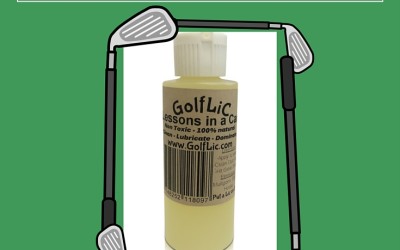
We invented GolfLic to help the casual golfer enjoy the game more. Maybe you like to hit at the driving range, play a round a week, or maybe you just want to finally move from the mid 90’s to the high 80’s. That is me too. Golf is an inherently difficult sport to learn and the people that really know how to play have minimal interest in teaching beginners how. This is why GolfLic is here. For a minimal price can strike the ball more consistently, hit straighter shots, and enjoy the game of golf more. GolfLic is Golf Lessons in a Can and will help the weekend golfer enjoy golf more.
GolfLic is a revolutionary lubricant made from food-grade ingredients using a uniquely developed combo of environmentally safe elements. It is a non-toxic club polish that allows anyone to experience the game of golf as it is meant to be played; deep, long, and straight. Perfect for the beginner, pro, or anyone who wants to hit more consistent, straighter, on target shots.
GolfLic adheres deep into the metal pores, which results in a more forgiving clubface and ultimately straighter, longer shots. This seasoning improves after repeated use on your clubs until it reaches a equilibrium level. This is why you should apply GolfLic when metal is warm. Heat from the sun and from swinging your clubs causes expansion and opens the microscopic pores on your club face for more complete absorption. Seasoning is complete when additional applied GolfLic is no longer absorbed. It’s like carrying your extra GolfLic on your clubs! because of the club face seasoning affect, you will find that the myriad of other cleaning, lubricating, preservative and solvent products currently in use will no longer be required to attain complete club care.
GolfLic liquid is designed to be used interchangeably as both a performance enhancer, and as a cleaner, lube, and protectant. The amount of GolfLic required will be a function of the amount of use, environmental conditions and/or storage duration.

What makes GolfLic different from other Golf Training Aids?
GolfLic was developed to help the weekend golfer enjoy golf more. Golf for many years has been in a sad decline. This is because of the lack of new people learning the skill. The people who do want to learn the skill find that lessons are expensive, training tips do not help, and golf partners find joy in their misery. Then, once you think know how to golf, it is easy to digress back to the skill level of a beginner after just a hole or two. Trust me, I know. GolfLic was created to help you.
What if by simply cleaning your clubs consistently throughout a round with an all natural product you could hit the ball further, eliminate hooks, stop slicing, and hit the ball where you wanted it to go. I know you think this must be bogus. It is true that GolfLic will not help if you swing with your eyes closed or miss the ball completely. It will however keep the grooves of your clubhead clean. This allows you to provide a more solid striking area, and helps you hit the ball longer and straighter on every shot. If you eliminate just 5 bad shots each round the cost of the bottle pays for itself. The long lasting formula attaches to the metal pores of the club and has long lasting capabilities. One bottle lasts most golfers multiple seasons. With the cost of a round, golf balls, and being mad during your round always increasing, can you really afford not to try it? We put together a list of GolfLic specs to help you make your decision. If you have anything to add please let us know on Twitter, Facebook, Pinterest, or Google +.
- GolfLic will improve your game
- Environmentally safe, will not harm the environment
- Non-toxic
- Lubricates all types of clubs and metals
- Protects against rust, carbon, sand, dirt. Seasons into the pores, creates a protective barrier
- Cleaner-Lubricant –Protectant, convenient squeeze bottle
- Non-Toxic, Non Hazardous food-grade ingredients, safe
- Pleasant Smell
Thank you for reading and remember to give GolfLic a try today.
#EliminateBogey #MorePars #IncreaseBirdie #FirstEagle #GolfLessons #TheMasters #GolfHelp #GolfTips

Cost Comparison of Golf Training Aids
Level Up Without Breaking the Bank: A Cost Comparison of Popular Golf Training Aids
Want to shave strokes off your score but not empty your wallet? Golf training aids can be incredibly beneficial, but the sheer variety and price points can be overwhelming. This blog post breaks down the cost of different types of popular golf training aids, helping you make informed decisions to improve your game without overspending.
Understanding the Spectrum of Golf Training Aid Costs:
Golf training aids range from budget-friendly tools to high-tech gadgets with premium price tags. The cost often reflects the complexity, materials, technology involved, and the specific area of the game the aid targets.
Budget-Friendly Essentials (Under $50):
These are accessible options perfect for beginners or golfers looking for simple yet effective tools to work on fundamentals.
- Alignment Sticks: Two simple rods used to ensure proper setup, alignment to the target, and swing path. Incredibly versatile and a staple for many golfers.
- Average Cost: $15 – $30 per pair.
- Swing Path Trainers (Simple): Basic devices like foam noodles or ground stakes used to visualize and train a correct swing path.
- Average Cost: $10 – $25.
- Putting Alignment Mirrors: Small mirrors placed on the green to check your eye and shoulder alignment at address for putting.
- Average Cost: $20 – $40.
- Grip Trainers (Attachable): Molded grips that attach to your club to teach proper hand positioning. Great for beginners learning the fundamentals.
- Average Cost: $15 – $35.
- Resistance Bands: Versatile tools that can be used for warm-ups, strengthening golf-specific muscles, and even adding resistance to your swing for training.
- Average Cost: $10 – $30 per band or set.
Mid-Range Tools for Skill Development ($50 – $200):
These aids often incorporate more specific functionality or durable materials for focused improvement.
- Tempo Trainers (Weighted Clubs/Devices): Weighted clubs or attachments designed to help golfers develop a smooth and consistent swing tempo.
- Average Cost: $60 – $150.
- Impact Bags: Durable bags filled with soft material used to practice hitting through the ball and achieving proper impact position.
- Average Cost: $70 – $150.
- Putting Gates/Mats with Targets: Tools designed to improve putting accuracy by training you to roll the ball through narrow gates or towards specific targets.
- Average Cost: $50 – $120.
- Swing Speed Radars (Basic): Entry-level devices that measure your swing speed, providing data to help you track progress and optimize club selection.
- Average Cost: $80 – $200.
Premium Technology for Advanced Analysis ($200+):
These high-end training aids often utilize sensors, apps, and data analysis to provide detailed feedback and personalized insights.
- Swing Analyzers (Wearable Sensors): Devices that attach to your club or glove and provide data on swing speed, tempo, club path, and more, often syncing with a smartphone app.
- Average Cost: $150 – $500+.
- Launch Monitors (Personal/Budget-Friendly): More affordable versions of the launch monitors used by professionals, providing data on ball speed, launch angle, spin rate, and carry distance.
- Average Cost: $200 – $800+.
- Full Swing Simulators (Home Use – Entry Level): While a significant investment, basic home golf simulators can provide comprehensive swing analysis and practice opportunities.
- Average Cost: $500 – $5000+ (entry-level options).
Making the Right Choice for Your Budget and Goals:
When choosing golf training aids, consider:
- Your Current Skill Level: Beginners might benefit most from fundamental aids, while more advanced players may seek data-driven tools.
- Specific Areas for Improvement: Focus on aids that target the weakest parts of your game.
- Your Budget: Start with more affordable options and gradually invest in more advanced tools as needed.
- Reviews and Recommendations: Read what other golfers say about the effectiveness and durability of different aids.
The Takeaway: Effective Improvement Doesn’t Have to Be Expensive:
Improving your golf game doesn’t require spending a fortune on the latest gadgets. Many effective training aids are available at affordable price points. By understanding the cost spectrum and focusing on tools that address your specific needs, you can strategically invest in your game and see real results without breaking the bank. Start with the basics, be consistent with your practice, and watch your scores improve!
Ready to finally understand golf improvement without the headache? GolfLic.com is your dedicated source for free and easy golf lessons designed to deliver real results, fast. Forget the confusing theories and endless explanations – just clear, actionable advice and videos to get you swinging better and enjoying the game more. Explore our free lessons now and unlock your golfing potential at GolfLic.com!